
Victoria Garage Door Guide
What a Garage Door Job Really Costs in Victoria
What garage door jobs actually run in Victoria: age-driven failures in 1980s stock, heat effects on rollers and openers, and what drives the bill up or down.
- Licensed & Insured
- Same-Area Service Calls
- Upfront Pricing
The Cost of This Job
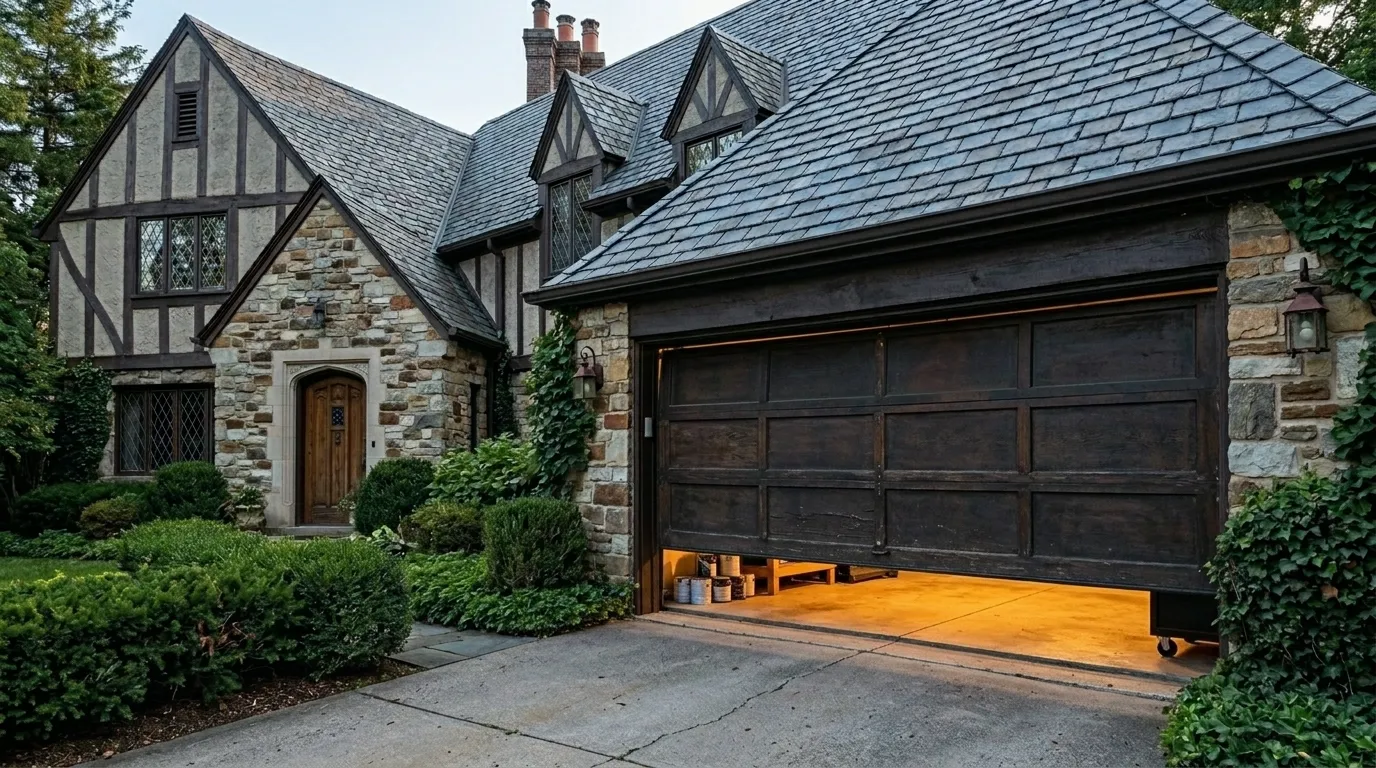
We don't have a flat number to hand you here, and anyone who quotes one over the phone without seeing the door is guessing. What we can tell you is what drives the bill in this town specifically. Most of the housing stock in the service area went up between 1969 and 1997, with the median build year sitting around 1983.
That means a huge share of the doors we get called to are original hardware from that window - steel doors on torsion springs sized for the door weight and cycle counts of forty years ago, not today's insulated panels. Swapping a spring on one of those setups is a different job than servicing a door installed in the last decade, because the drum, cable, and bracket spacing don't always match modern replacement stock off the shelf. With 783 owner-occupied houses out of 1,397 households in the area, a lot of doors have had one owner and zero maintenance since the day they were hung.
That raises the odds of finding more than one worn part once we're actually inside the header, which is the honest reason a repair estimate sometimes grows once the door's open.
The Seasonal Bit
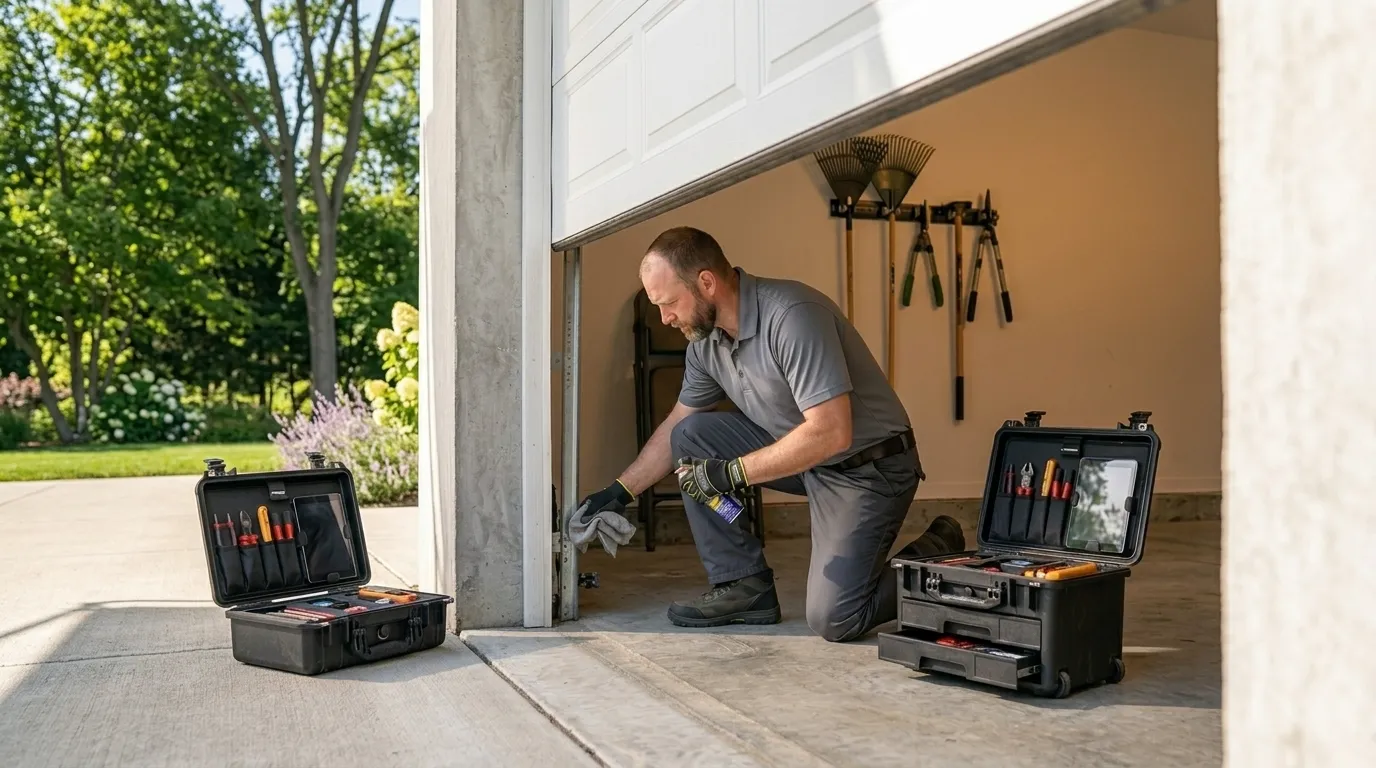
Victoria sits in a moderate heat band, not the kind of extreme swing that cracks concrete driveways or splits vinyl siding, but steady warm months do their own slow damage to a garage door. Lubricant on rollers and hinges thins out and runs off faster than it would somewhere cooler, so metal-on-metal wear on the track shows up sooner than the maintenance sticker suggests it should. Opener logic boards and capacitors also run hotter sitting in an attached garage that never really cools down, which shortens their working life compared to a unit in a conditioned space.
We don't see the kind of hard freeze that snaps torsion springs overnight, so if a spring goes here, cycle count and age are the more likely story than a cold snap. That's worth knowing before you assume a sudden failure means something dramatic happened - usually it's just a spring that's done its rated number of cycles, on a door old enough that it was already close to the end.
What Is Going On
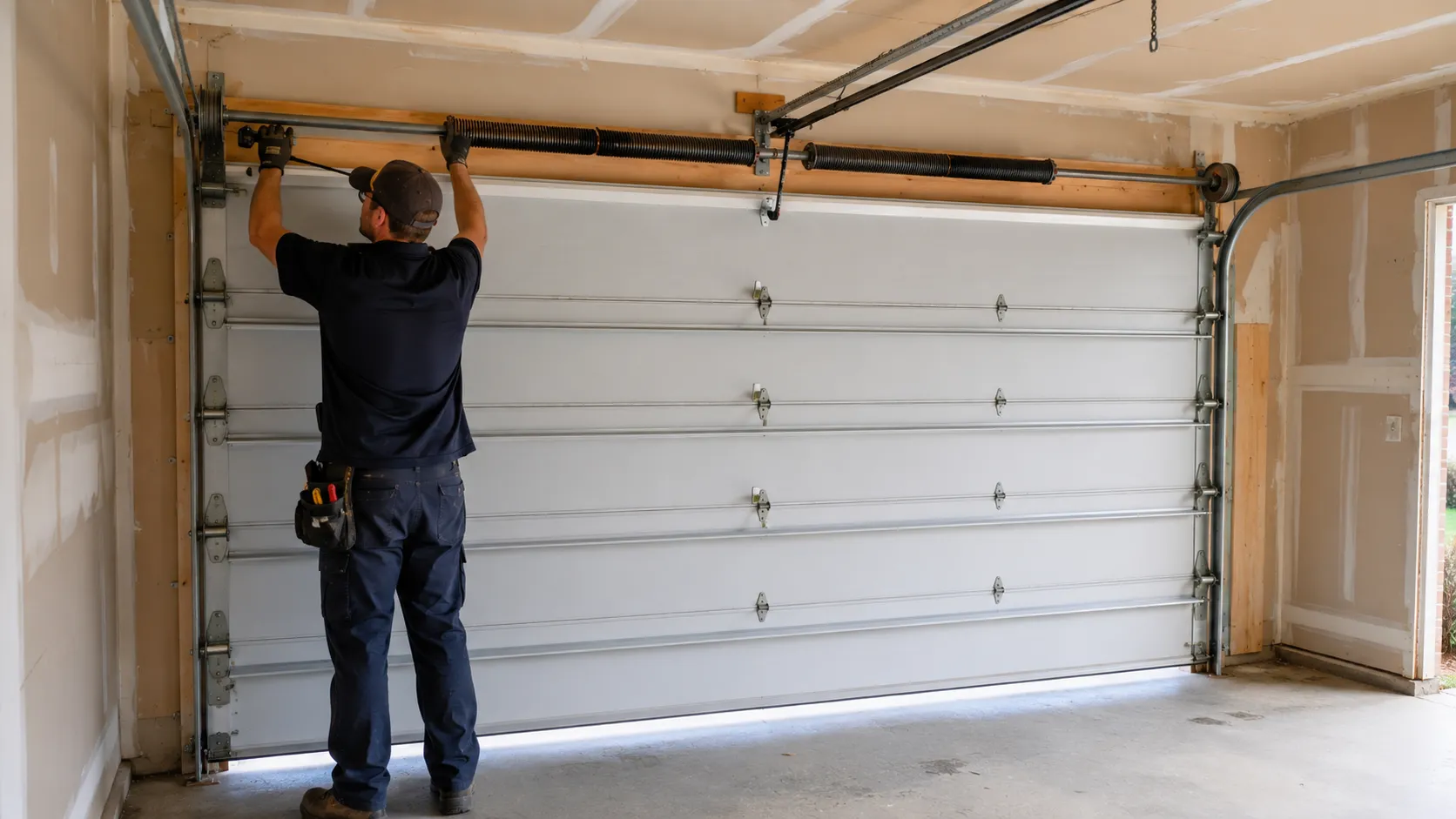
The pattern we see across town traces straight back to F2: most of the housing stock clusters into two main built-up areas, both dating largely from the 1980s and 90s. Doors installed in that period commonly used nylon rollers and plastic idler pulleys instead of the sealed steel bearings that got standard a couple decades later. Those plastic parts don't fail dramatically - they wear down slowly, get noisy, then bind.
Add in a moderate income median of $61,029 for the area, and what we typically see is homeowners running a noisy door for years before calling, because it still opens and the noise doesn't feel urgent. By the time we get the call, the roller is usually shot enough that it's chewing into the track edge too, which turns a $30 part into a track inspection. None of this is unique to any one house - it's just what happens when a whole neighborhood's doors hit the same age bracket around the same time.
What the Weather Here Does to It
Moderate heat doesn't crack panels or freeze springs solid, but it does two things worth watching. First, steel door panels expand slightly on the hottest days, which can tighten up an already marginal track alignment enough to make the door bind at the top of its travel - something you'd never notice on a mild day. Second, sustained heat dries out factory grease on the torsion spring coils faster than it would in a cooler climate, and a dry spring is a noisier, shorter-lived spring.
We don't have wind or hail data for this area to add to that list, so we're not going to guess at storm damage patterns we can't back up. If your door only sticks on the hottest afternoons of the year, that's a track-and-lubrication issue, not a sign the opener is failing.
How We Can Help
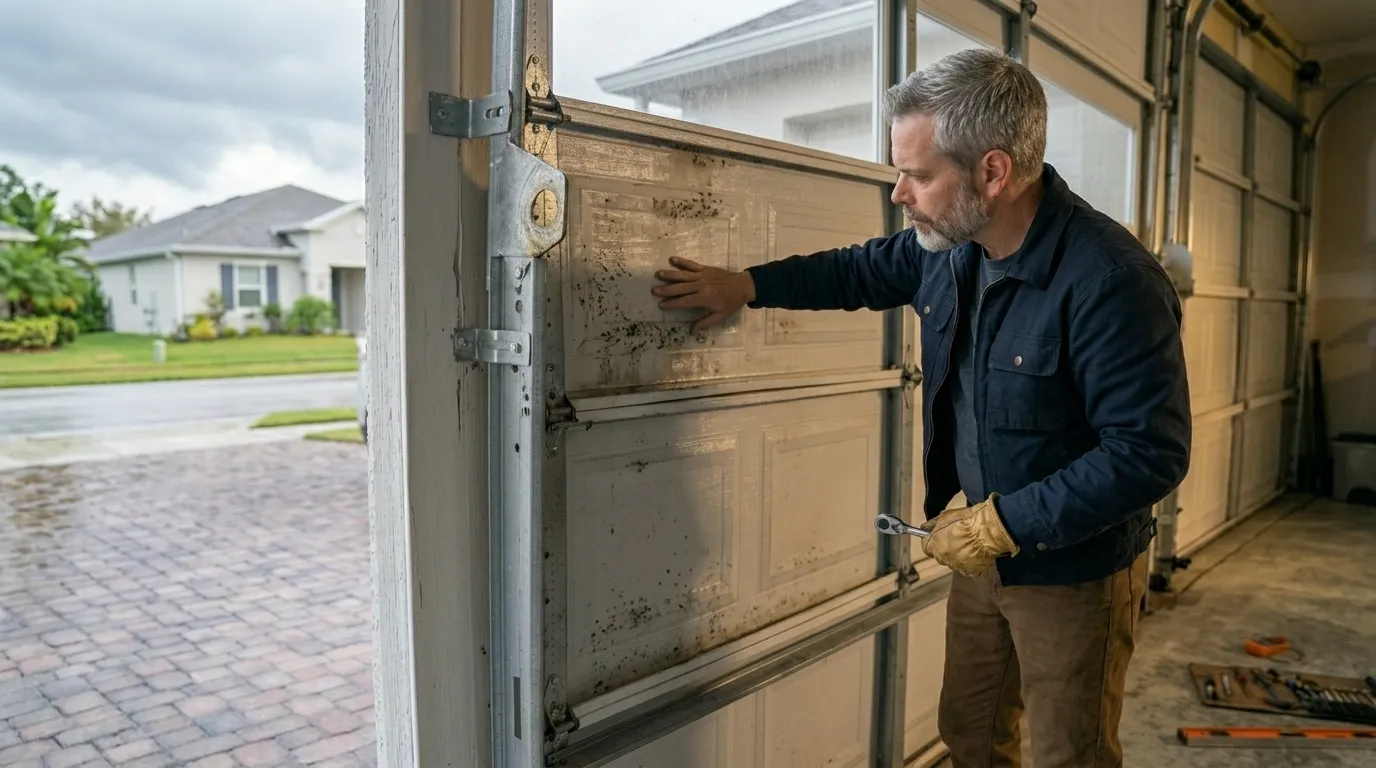
Garage Door Repair
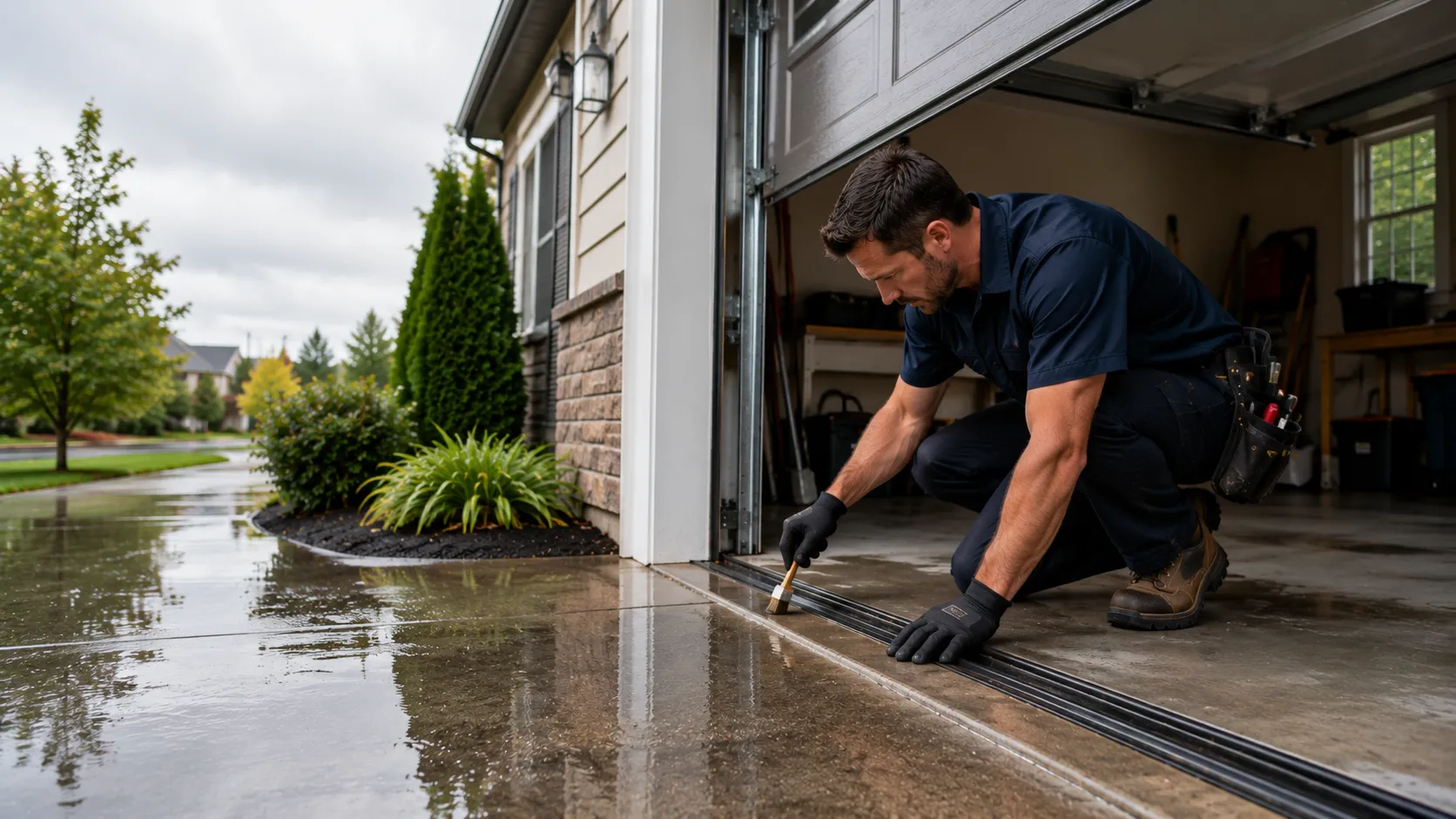
Springs, cables, tracks, rollers, and openers fixed by a tech who explains the problem before touching anything.
Learn more →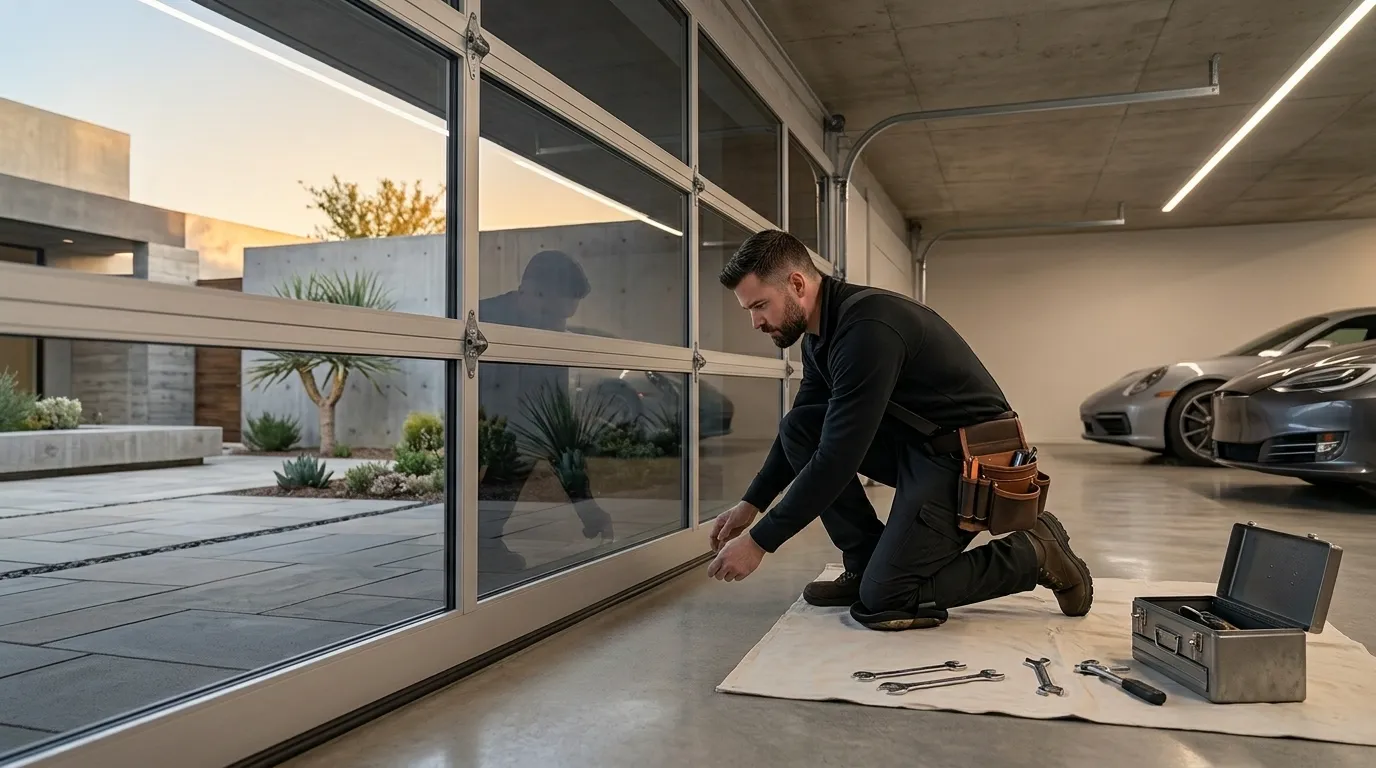
Garage Door Installation
New sectional doors sized and installed for the housing stock actually built in this area.
Learn more →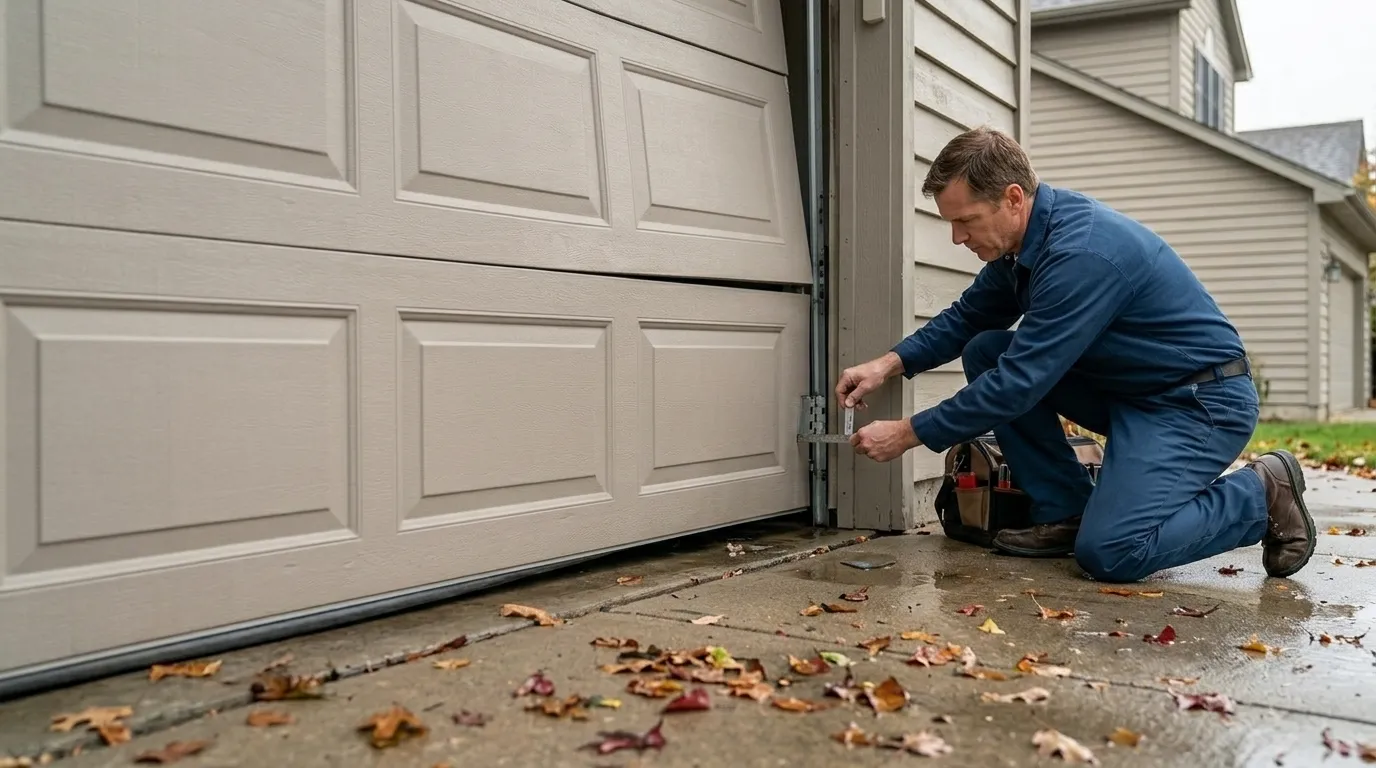
Garage Door Service
Tune-ups, lubrication, and safety checks that catch a small problem before it becomes a service call.
Learn more →Frequently Asked Questions
Why does my garage door only stick in the afternoon heat?
Steel panels and track hardware expand slightly as temperatures climb, which can tighten an already marginal alignment just enough to cause binding at the top of travel. It's a track and lubrication issue in most cases, not a failing opener, and it usually clears up once the metal cools back down in the evening.
My house was built in the 80s and the door has never been serviced - is that a problem?
Most houses in this area date from that same window, so you're not unusual. The risk isn't age alone, it's that original nylon rollers and pulleys wear down slowly and quietly for years. By the time they're loud enough to notice, they've often chewed into the track edge, turning a small part swap into more work.
How far out do you go for parts if something's not on the truck?
Inez is about 12 miles out and Bloomington roughly 13, so if a specific part isn't already stocked, it's not a quick run. We'd rather tell you a job needs a return trip than guess with the wrong bracket or spring size.
Is it worth repairing a door this old or should I replace it?
Depends what's failing. A spring or roller on an otherwise sound steel door from the 80s or 90s is usually worth fixing. If the track is bent from years of roller wear or the panels themselves are dented and warped, replacement often makes more sense than chasing repairs on a door that's already near the end of its service life.
Have a Door That Needs a Second Opinion?
Call and describe what it is doing - we will tell you what it likely is.