
Victoria Garage Door Guide
What Happens to Your Opener When the Power Drops
How Victoria's 1969-1997 housing stock and moderate heat climate affect garage door openers, and what happens to that door when the power goes out.
- Licensed & Insured
- Same-Area Service Calls
- Upfront Pricing
The Cost of This Job
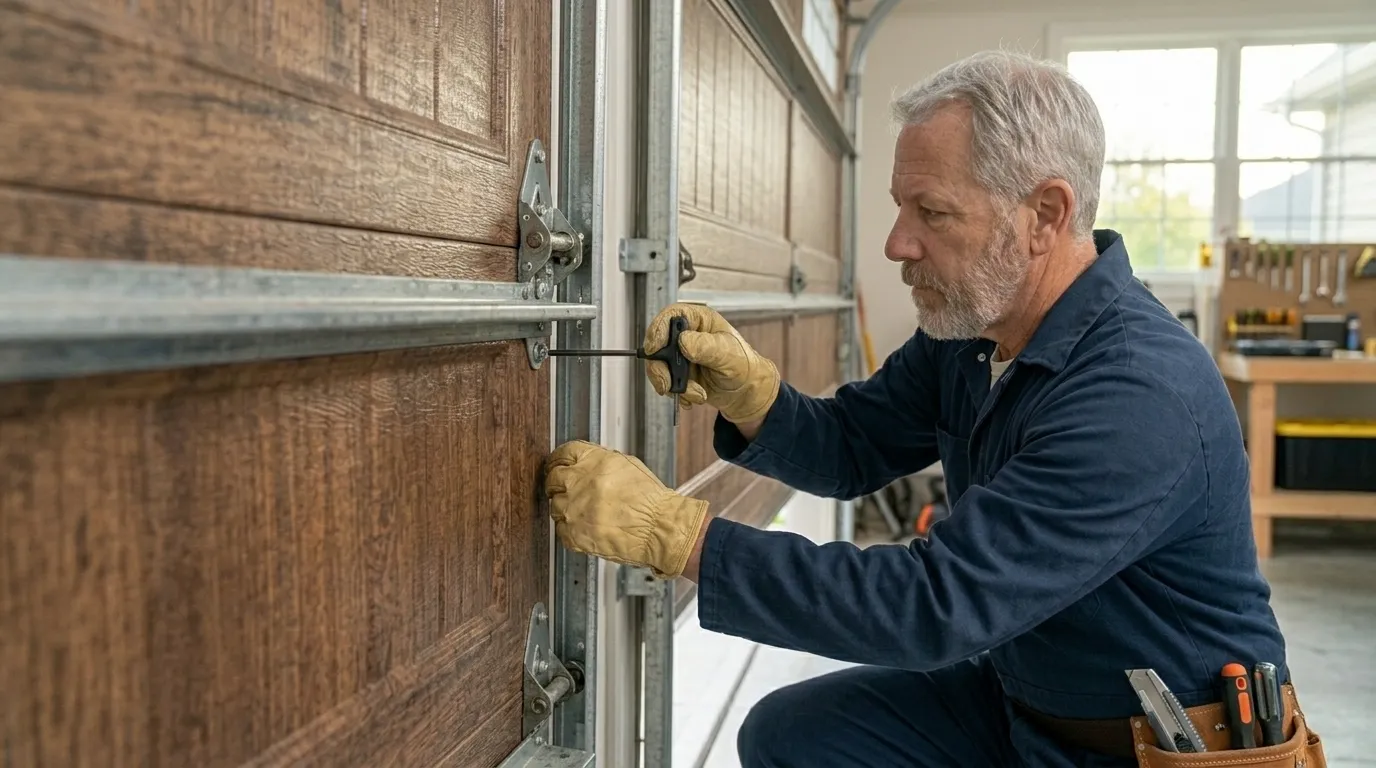
Across the roughly 1,397 households we work with here, 783 are owner-occupied houses, and the price of an opener job depends heavily on what's already hanging on the ceiling. A lot of Victoria garages still run the chain-drive unit that came with the house when it was built somewhere between 1969 and 1997 - the median build year lands at 1983. Those units were never designed with battery backup, so when the power goes out, the door is stuck exactly where it was, up or down.
Replacing one with a modern unit that includes backup power costs more than a like-for-like swap, but it's the only way to guarantee you can get the car out during an outage. Median household income in the area sits at $61,029, and most homeowners we talk to want the backup feature once they understand what a power cut actually means for a door with no manual release rigged properly. We'll tell you straight if your existing unit isn't worth saving - some of the older chain-drives from that 1980s stretch have motors that are cheaper to replace outright than to repair piece by piece.
The Seasonal Bit
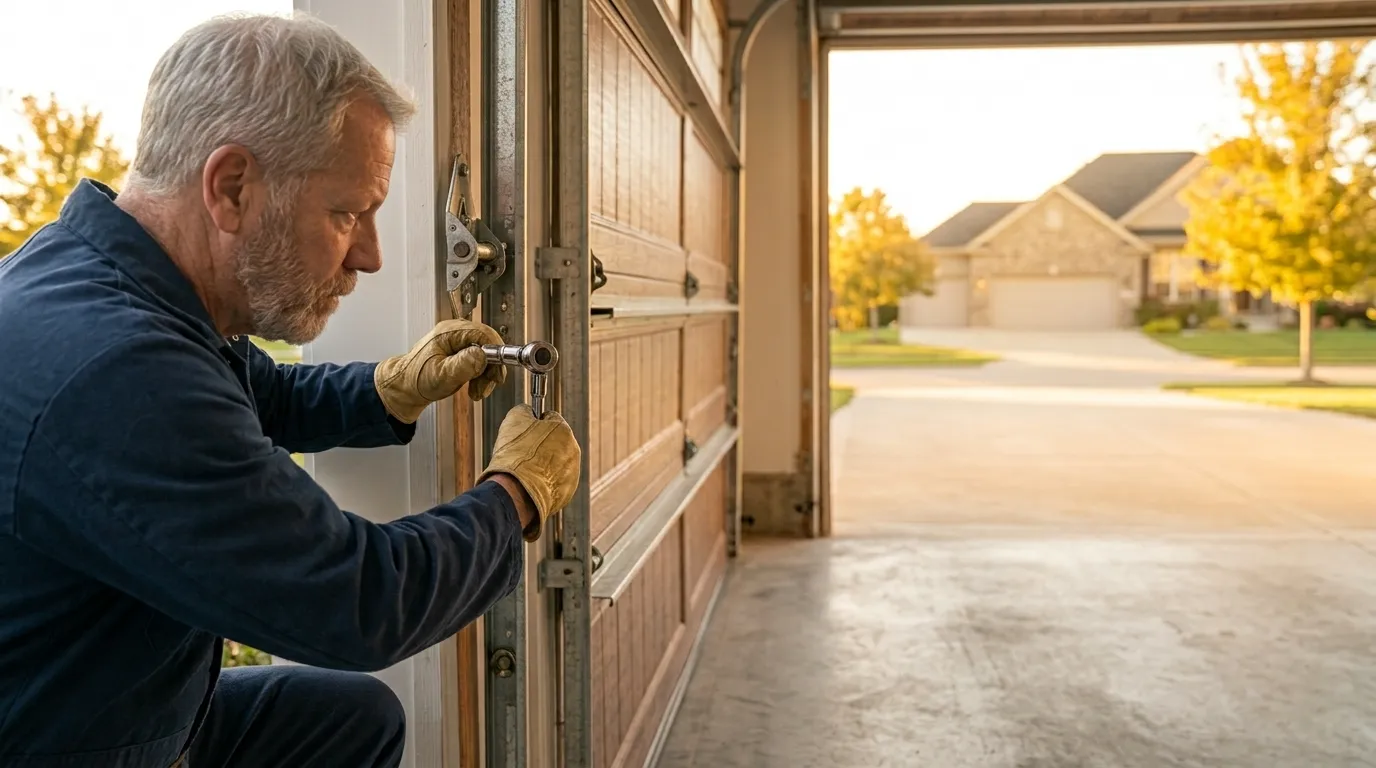
Victoria falls in a moderate heat climate band, not a freeze-thaw one, so the seasonal wear pattern here isn't about ice cracking seals - it's about sustained heat load on the opener motor itself. A motor that runs hot all summer, cycling a door up and down in a closed garage, wears its internal gearing and capacitor faster than the same unit would in a cooler climate. That's the seasonal bit worth knowing: it's not one dramatic freeze event, it's months of heat soak wearing things down quietly.
We don't see much call for the deep winterizing work that gets pushed in colder-climate write-ups, because that work doesn't apply here. What does apply is checking the opener's thermal cutoff and making sure the unit isn't laboring against a door that's gone stiff on its rollers, because a door that's harder to lift makes the motor work harder in weather that's already working against it.
What Is Going On
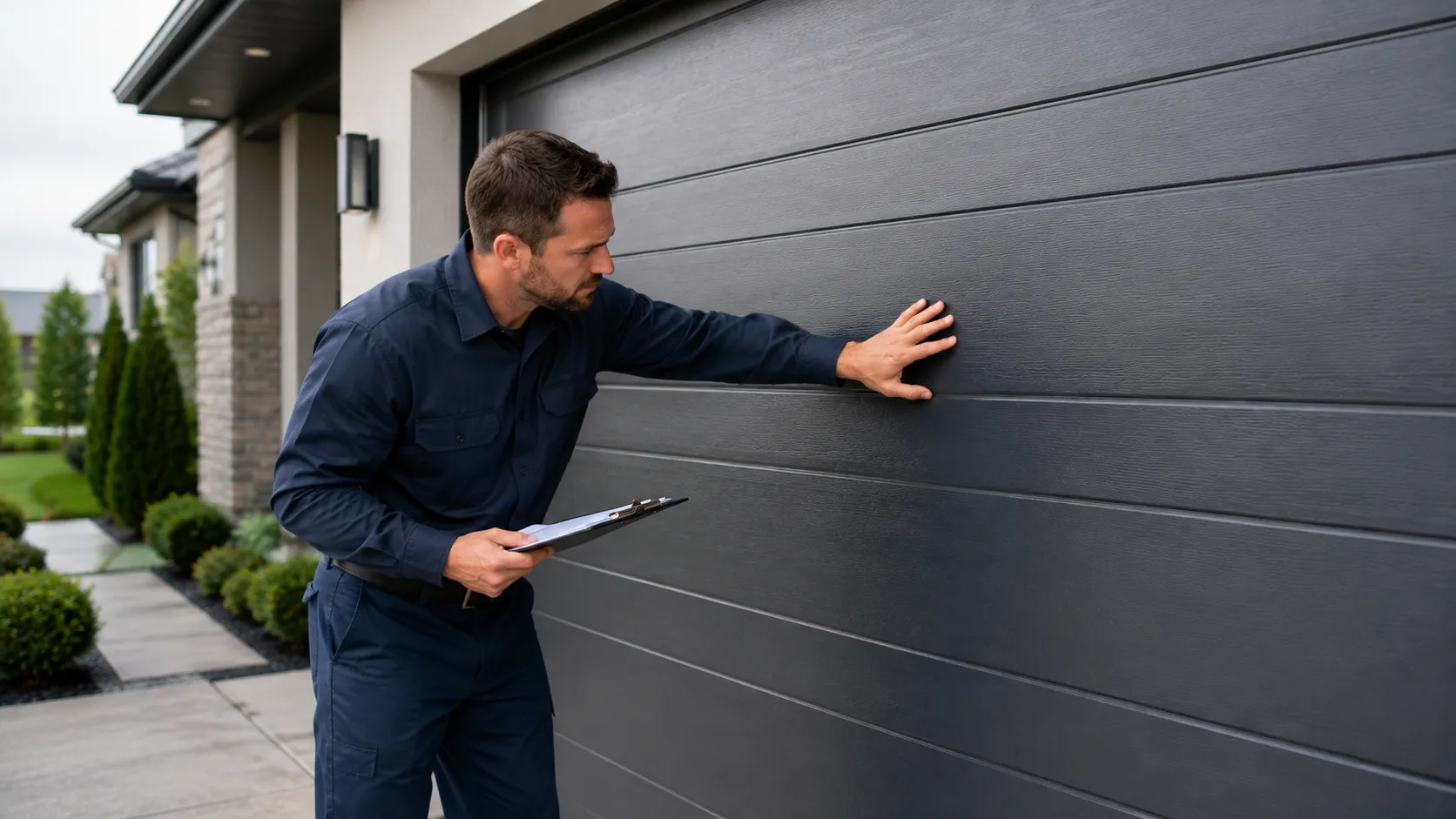
Most of the garage doors we get called out on sit inside housing built between 1969 and 1997, with the bulk of that stock dating to the 1980s and 90s across two main pockets of town. That era of construction means openers and power cuts go together more than people expect: these are pre-battery-backup units, often the original chain-drive motor or a first replacement from the 90s, wired straight to house power with no fallback. When the power drops, the door doesn't just stop - it locks in place unless someone pulls the manual release cord, and a surprising number of these openers have a release that's been painted over, rusted, or never used since the house was built.
We spend a fair amount of time just showing homeowners where that cord is and confirming it still disengages the carriage cleanly. It's a five-minute check that matters more than most people realize until the power's actually out.
What the Weather Here Does to It
Heat is the thing doing the work on garage doors in Victoria, not cold. Steel track and rail expand slightly in sustained heat, which on an older 1980s-era door can turn a marginal alignment into a binding one - the opener senses the extra resistance and either strains against it or trips its safety reversal. Circuit boards in openers from that build era weren't built with the thermal margins that newer units have, so a motor housing that sits in direct sun through a Victoria summer runs its control board closer to its limit than the same board would in a cooler region.
None of this is dramatic on its own, but it adds up: a slightly bound track plus a heat-stressed board plus a power cut at the wrong moment is how a working door becomes a stuck one. We can't stop the heat, but we can true up the track and confirm the backup and release both function before that combination happens.
How We Can Help
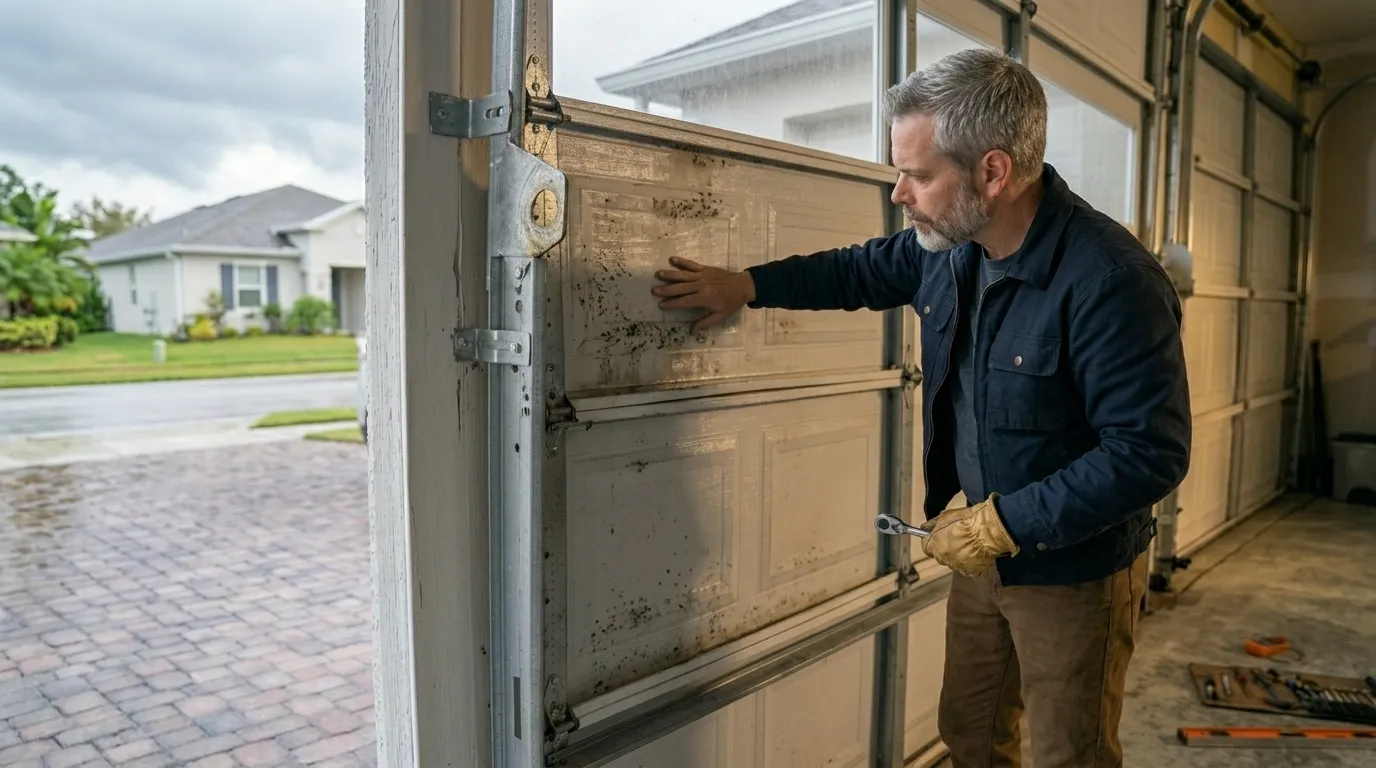
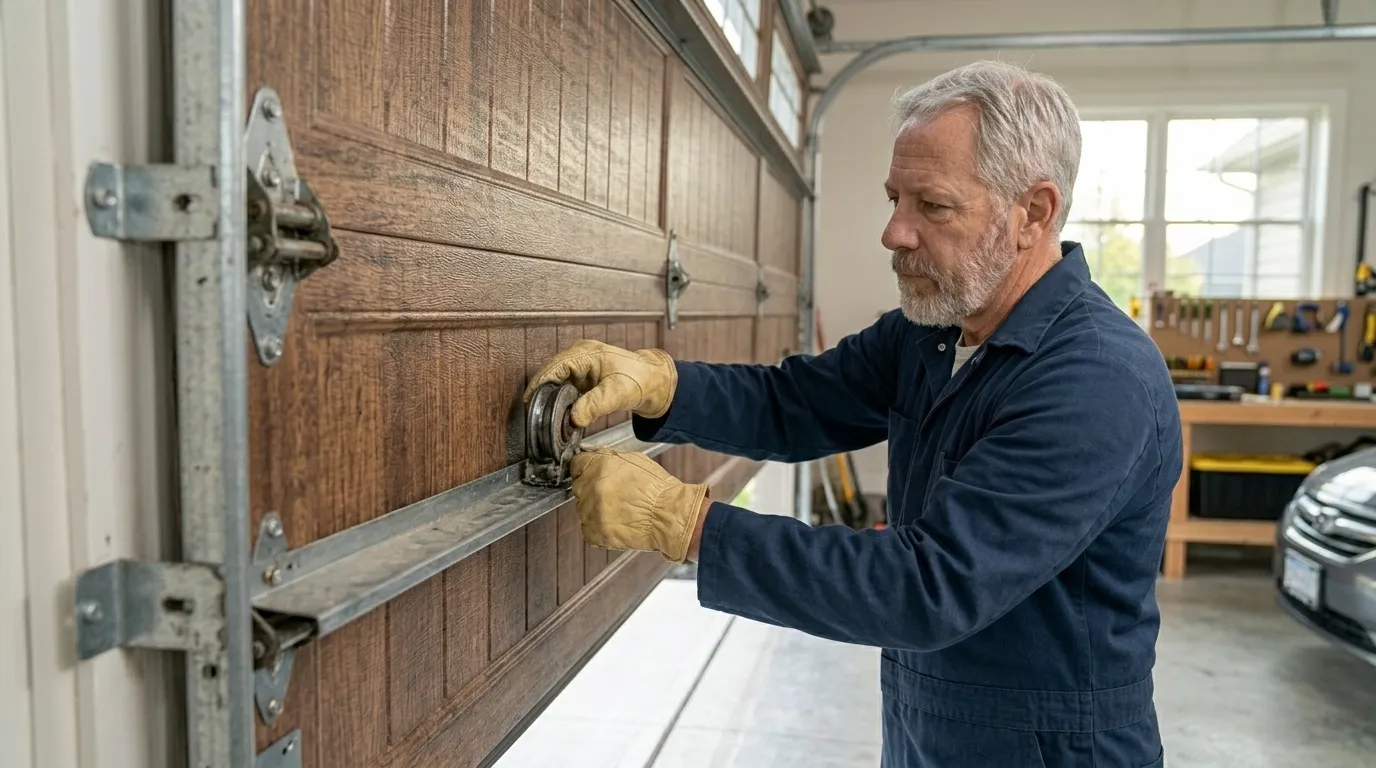
Garage Door Repair
Springs, cables, tracks, rollers, and openers fixed by a tech who explains the problem before touching anything.
Learn more →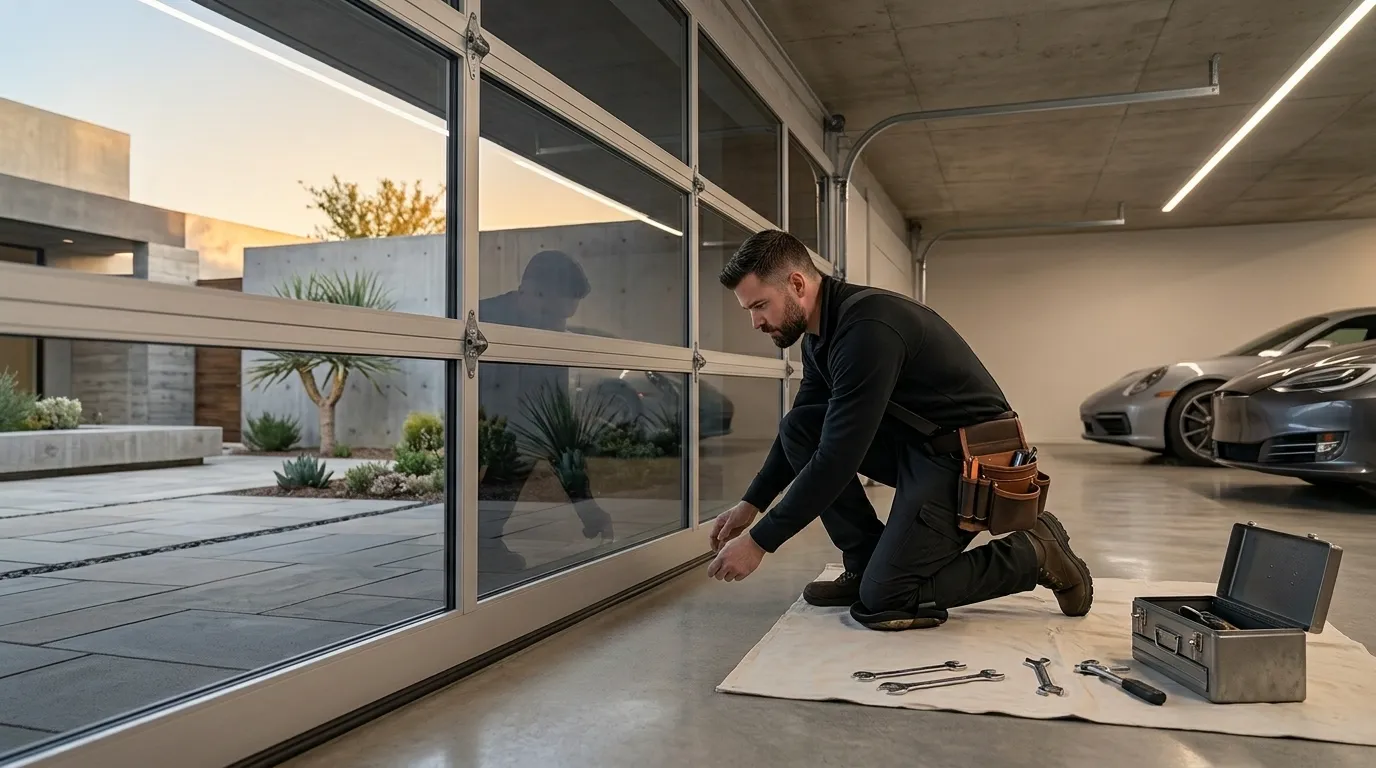
Garage Door Installation
New sectional doors sized and installed for the housing stock actually built in this area.
Learn more →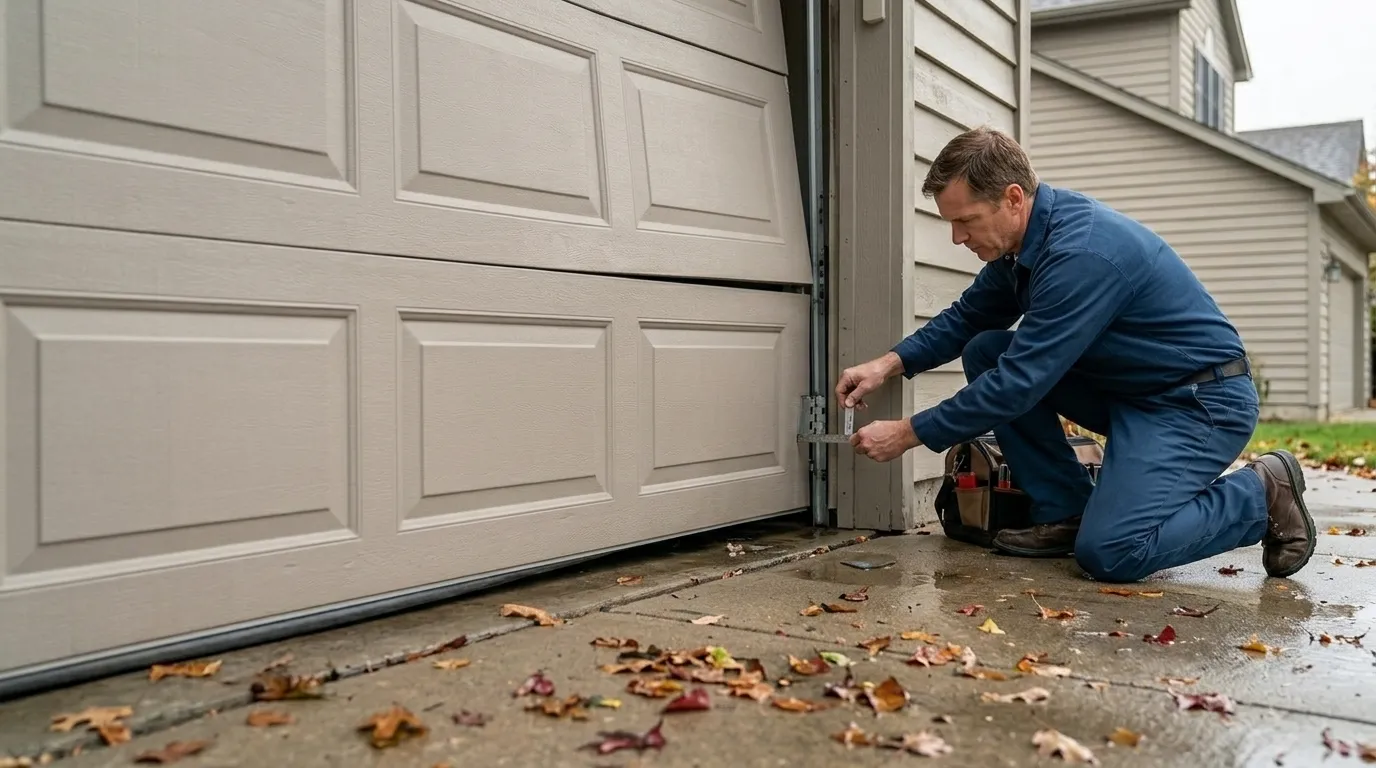
Garage Door Service
Tune-ups, lubrication, and safety checks that catch a small problem before it becomes a service call.
Learn more →Frequently Asked Questions
Why doesn't my opener work at all when the power goes out?
If it's an older chain-drive unit without battery backup - common in houses built here between 1969 and 1997 - it has no power source once the electricity cuts. The door itself can still be opened by hand using the manual release cord hanging from the trolley, but the opener won't move it until power's back.
Is it worth adding battery backup to an old opener?
Usually you can't retrofit backup into a unit from the 1980s or 90s - it has to be built into the motor. If your opener is from that era, adding backup means replacing the whole unit, which is a bigger job than a simple repair but solves the power-cut problem for good.
Does the Victoria heat actually damage the opener?
Not in one dramatic event, but sustained heat over a summer wears the motor and control board faster than a mild climate would, and it can make an already-tight track bind further. It's slow wear, not sudden failure, which is why regular checks catch it before it becomes a stuck door.
Have a Door That Needs a Second Opinion?
Call and describe what it is doing - we will tell you what it likely is.